Nepal Trekking Permits Explained
TIMS cards, conservation area permits, national park fees and restricted area permits: which ones you need and where to get them.
By Recent Visits Editorial

In this guide5 sections
Every trekking region in Nepal requires at least one permit, and most require two. The system looks complicated but follows a simple logic: a park or conservation area fee for the land you walk through, plus a trekker registration, plus a restricted area permit where applicable.
Conservation area and national park permits
- Annapurna Conservation Area Permit (ACAP) for Poon Hill, Mardi Himal, Annapurna Base Camp, the Circuit and Mustang.
- Sagarmatha National Park entry permit for the Everest region, plus the Khumbu rural municipality permit.
- Langtang National Park entry permit for Langtang, Gosaikunda and Helambu.
TIMS card
The Trekkers’ Information Management System card registers who is on which trail. It is issued by the Nepal Tourism Board in Kathmandu and Pokhara and through registered agencies. Since April 2023 the Board requires trekkers in national parks and conservation areas to go with a licensed guide; enforcement varies by region (the Khumbu municipality has allowed independent trekkers on the Everest route), but plan on hiring one.
Fees at a glance (foreign nationals, mid-2026)
- TIMS card: NPR 2,000 (NPR 1,000 for SAARC nationals).
- Annapurna Conservation Area Permit: NPR 3,000.
- Sagarmatha National Park: NPR 3,000, plus the Khumbu Pasang Lhamu Rural Municipality fee paid in Lukla or Monjo (the municipality adjusts it; confirm locally).
- Langtang, Rara and most other national parks: NPR 3,000. Shivapuri Nagarjun (for Helambu from Sundarijal): NPR 1,000. Chitwan: NPR 2,000 per day. Bardiya: NPR 1,500 per day.
- Manaslu Restricted Area Permit: USD 100 for the first week plus USD 15 per day (September–November); USD 75 plus USD 10 per day (December–August). Plus the Manaslu Conservation Area Permit, NPR 3,000.
- Upper Mustang and Upper Dolpo: USD 500 for the first ten days plus USD 50 per day thereafter.
- Nar Phu: USD 100 per week (September–November), USD 75 (December–August). Kanchenjunga and Lower Dolpo: USD 20 per week.
- Most permits add 13 percent VAT at the counter; figures above are the base fees published by the issuing bodies.
Restricted area permits
Upper Mustang, Manaslu, Nar Phu, Dolpo, Kanchenjunga and several other regions require a Restricted Area Permit from the Department of Immigration. These are issued only through registered agencies, require a licensed guide and usually a minimum group size, and carry substantially higher fees.
Practicalities
- Bring passport photocopies and several passport photos.
- Permits are checked at entry points and lodges; carry them with you.
- Fees change, usually at the start of a fiscal year in mid-July. Each trek on this site links to the official source for its permits; check them before you budget.
Related
Destinations this applies to
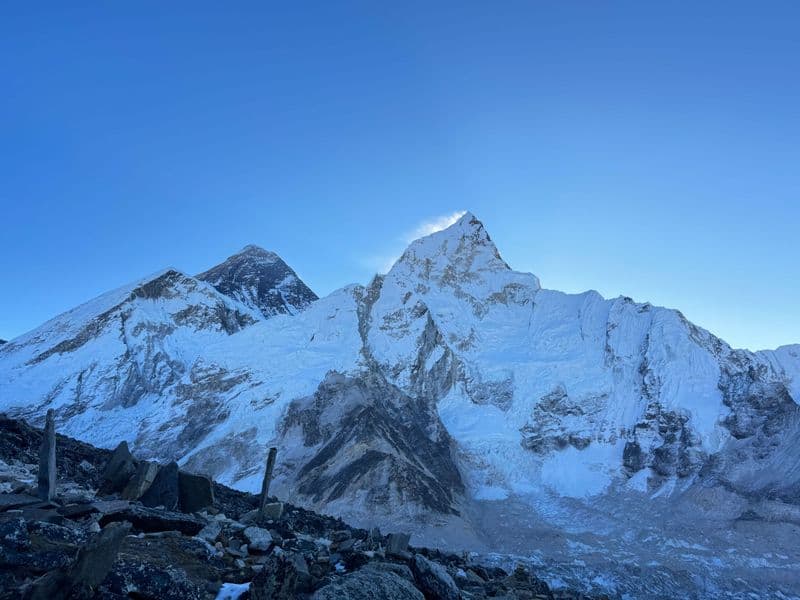
Solukhumbu
Everest Region
Sherpa villages and the trail to the foot of the world’s highest mountain.
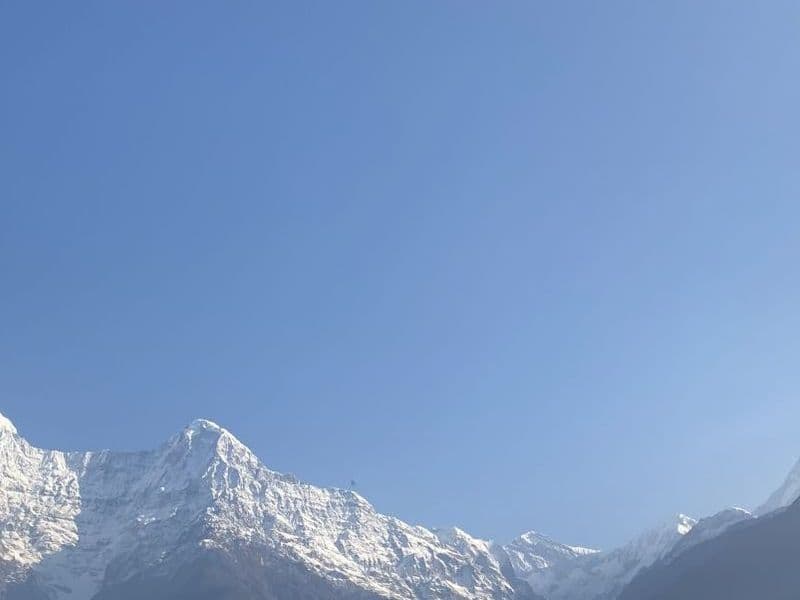
Gandaki
Annapurna Region
Rhododendron forests, Gurung villages and treks for every level.
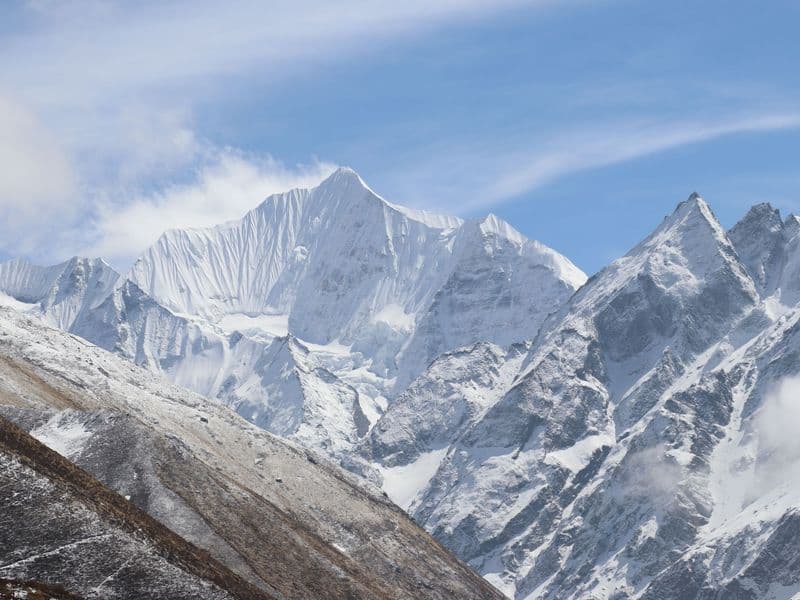
Bagmati
Langtang
The closest Himalayan valley to Kathmandu, rebuilt and welcoming.

Gandaki
Mustang
A walled kingdom on the Tibetan plateau, in the Himalaya’s rain shadow.
Keep planning
More travel guides
Travel guide
Altitude Sickness and Trekking Safety
How altitude illness works, how to prevent it and what to do when symptoms appear.
- Verified
- Checked Jun 2026
Travel guide
Best Time to Visit Nepal
Autumn and spring are the classic windows, but every season suits some part of Nepal. Here is how to choose.
- Verified
- Checked Oct 2026
Travel guide
Culture and Etiquette in Nepal
How to greet people, behave in temples and homes, dress, tip and photograph without causing offence.
- Verified
- Checked Jun 2026