Culture
Culture and Etiquette in Nepal
How to greet people, behave in temples and homes, dress, tip and photograph without causing offence.
By Recent Visits Editorial

This guide was last checked on 1 Jun 2026 against Recent Visits editorial . Rules can change; confirm before you travel.
In this guide5 sections
Nepal is tolerant of visitors’ mistakes, but a few habits go a long way. Most of them come down to respect for religion, elders and the right hand.
Greetings and the right hand
- “Namaste” with palms together is the universal greeting; it works for everyone, in every situation.
- Give and receive things, especially food and money, with the right hand or both hands. The left is considered unclean.
- Do not touch anyone on the head, and do not point the soles of your feet at people or shrines.
Temples, stupas and monasteries
- Remove shoes before entering temples and monastery prayer halls; leather belts and bags are sometimes refused in Hindu temples.
- Non-Hindus may not enter the inner sanctum of some temples, including the main Pashupatinath temple; signs make this clear.
- Walk clockwise around stupas, mani walls and chortens, keeping them on your right.
- Ask before photographing people, and never photograph cremations at Pashupatinath up close.
- Dress modestly at religious sites: covered shoulders and knees for everyone.
Homes and food
- Take your shoes off when entering a home. Accepting tea is polite; a refusal of a second helping is expected to be insisted upon.
- Food that has touched your plate or lips is “jutho” and should not be offered to others; do not eat from shared plates with your own spoon.
- In teahouses, order from the lodge where you sleep; it is how they make a living from cheap rooms.
Money, tipping and bargaining
- Tipping is customary for guides and porters (about 10–15 percent of their fee) and welcome in restaurants (5–10 percent if no service charge is added).
- Bargain in markets and with taxi drivers, good-naturedly; fixed-price shops and restaurants do not expect it.
- Avoid giving money or sweets to children who ask; it fuels begging. Donate to a school or clinic instead.
Festivals worth planning around
- Dashain (September–October): the biggest festival; many businesses close for several days and transport is packed.
- Tihar (October–November): the festival of lights, with houses decorated and dogs, cows and brothers honoured on successive days.
- Holi (March): the colour festival, celebrated with enthusiasm in Kathmandu and the Terai.
- Indra Jatra (September) in Kathmandu and Bisket Jatra (April) in Bhaktapur: spectacular chariot festivals.
Frequently asked questions
Keep planning
More travel guides
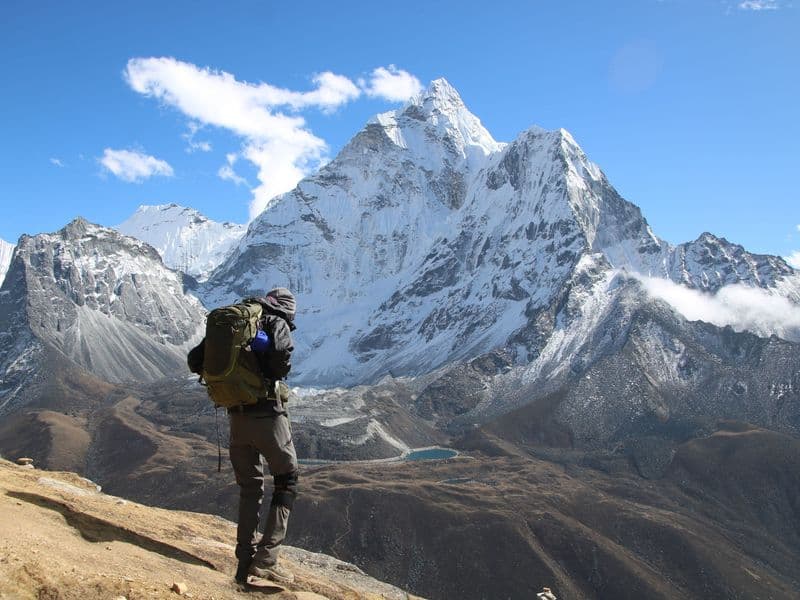
Safety
Travel guide
Altitude Sickness and Trekking Safety
How altitude illness works, how to prevent it and what to do when symptoms appear.
- Verified
- Checked Jun 2026
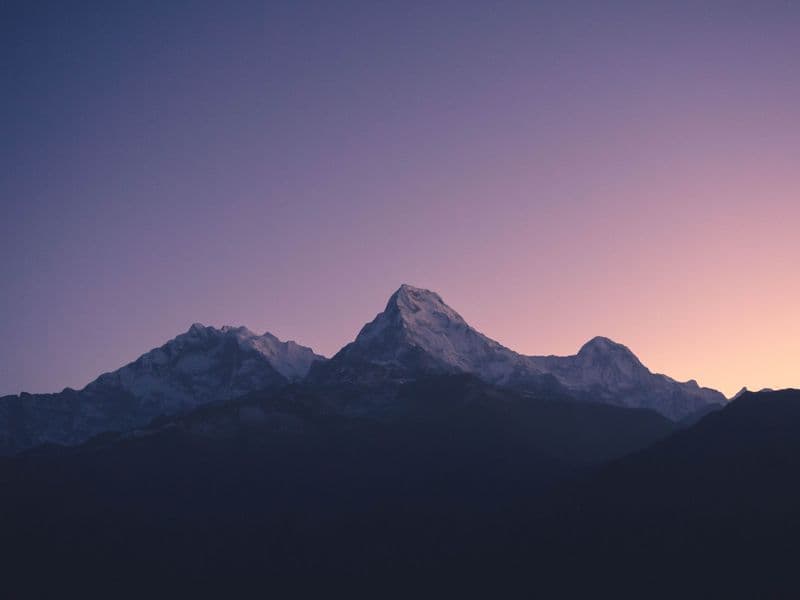
Best time
Travel guide
Best Time to Visit Nepal
Autumn and spring are the classic windows, but every season suits some part of Nepal. Here is how to choose.
- Verified
- Checked Oct 2026
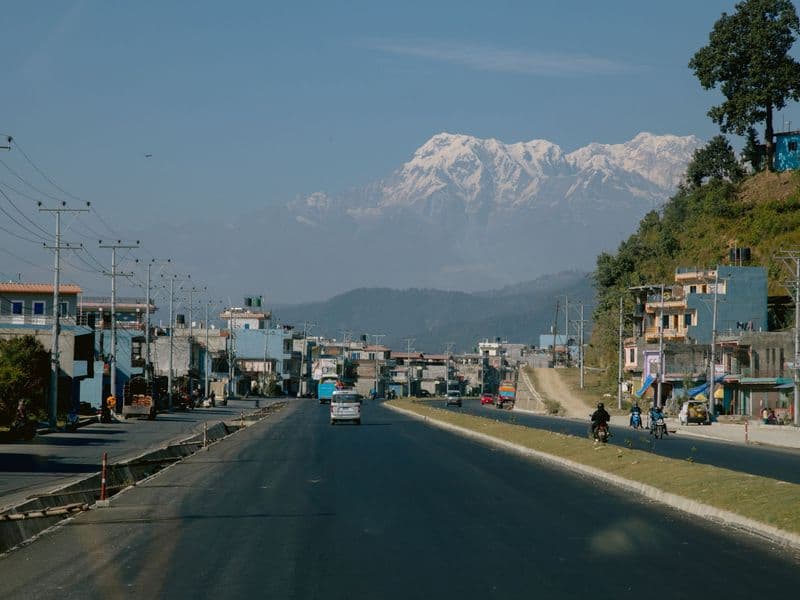
Transport
Travel guide
Getting Around Nepal
Domestic flights, tourist buses, private jeeps and the realities of Nepali roads.
- Verified
- Checked Oct 2026