Travel Insurance for Nepal: What Your Policy Must Cover
Most standard policies exclude the altitude you will reach on a trek. Here is what to check before you buy.
By Recent Visits Editorial

In this guide2 sections
A helicopter evacuation from the Everest or Annapurna region costs several thousand US dollars and is paid up front unless your insurer guarantees payment. That single fact decides what kind of policy you need. Many ordinary travel policies cap cover at 2,000 or 3,000 m, well below every classic Nepali trek.
Check these five things
- Maximum altitude: the policy must cover trekking to at least your highest sleeping or visiting point, 5,545 m for Kala Patthar, 5,416 m for the Thorong La, 5,106 m for the Larkya La. Policies are commonly tiered at 3,000, 4,500 or 6,000 m.
- Helicopter evacuation and search and rescue, with the insurer’s 24-hour assistance number that can issue a payment guarantee to the operator.
- Medical treatment and repatriation, including a hospital stay in Kathmandu and a flight home.
- Trekking as an activity, not only hiking: some insurers distinguish them, and anything with ropes or crampons (peak climbing) needs a separate mountaineering policy.
- Trip disruption for weather: Lukla flights are cancelled for days at a time and most policies do not pay for that, so know where you stand.
In practice
- Give your guide and agency a copy of the policy and the assistance number; they will be the ones making the call.
- Keep receipts for everything; insurers reimburse rather than pay directly for most non-emergency care.
- The Himalayan Rescue Association runs aid posts in Pheriche and Manang in season and gives free daily altitude talks. Use them.
- If you are offered a “free” helicopter rescue for a mild illness, be careful: insurance fraud around unnecessary evacuations has led insurers to scrutinise claims from Nepal closely.
The cheapest policy that covers your altitude and evacuation is better than the most comprehensive one that does not. Read the activity exclusions, not the headline figure.
Frequently asked questions
Keep planning
More travel guides
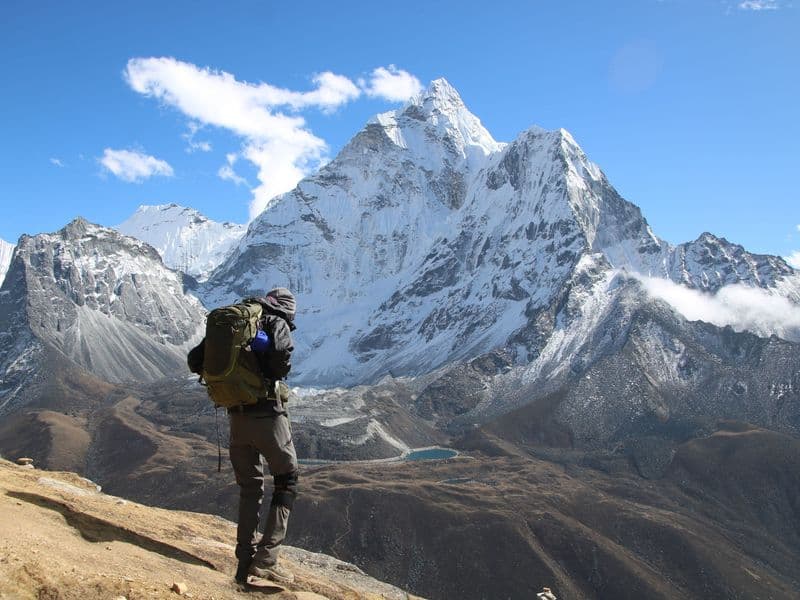
Travel guide
Altitude Sickness and Trekking Safety
How altitude illness works, how to prevent it and what to do when symptoms appear.
- Verified
- Checked Jun 2026
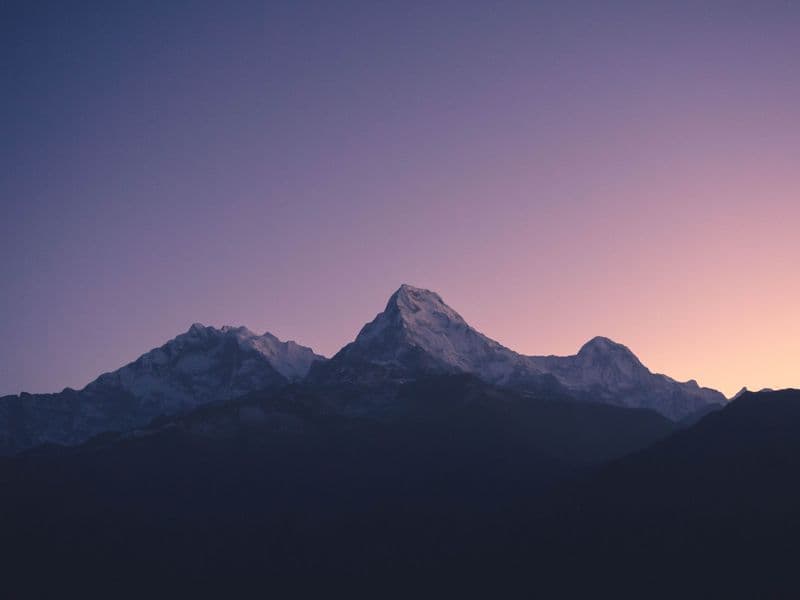
Travel guide
Best Time to Visit Nepal
Autumn and spring are the classic windows, but every season suits some part of Nepal. Here is how to choose.
- Verified
- Checked Oct 2026
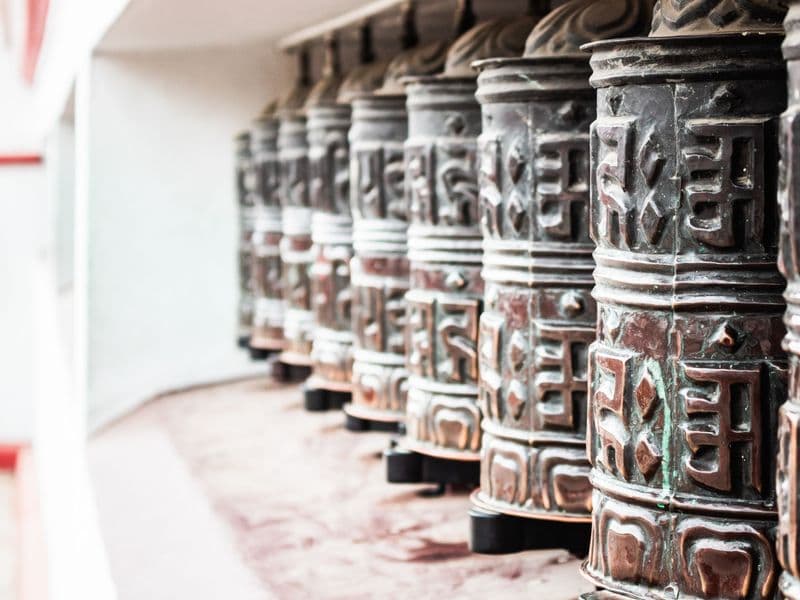
Travel guide
Culture and Etiquette in Nepal
How to greet people, behave in temples and homes, dress, tip and photograph without causing offence.
- Verified
- Checked Jun 2026